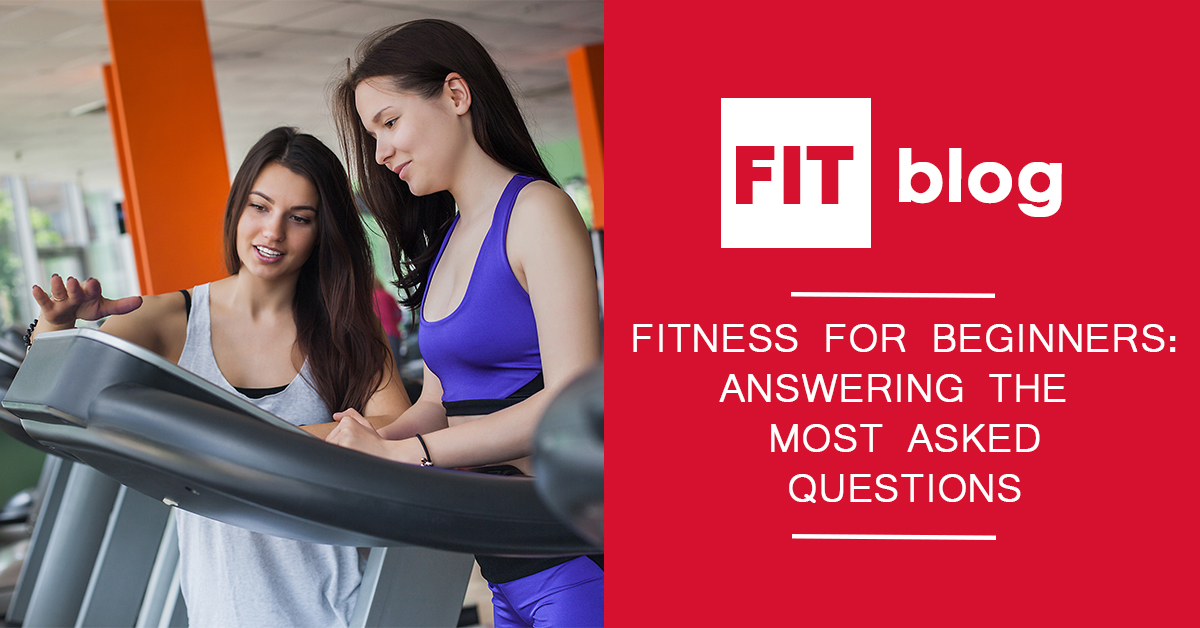
Fitness for Beginners: Answering the Most Asked Questions
Fitness is for everybody. Regardless of your goals, exercise in all its forms is essential for good health and wellbeing. However, the biggest barrier for many is simply knowing where to start. With the abundance of influencers, how-to guides, and fitness jargon on the internet (often conflicting), it can be difficult to know where to begin. I was a personal trainer for over 10 years, and I’ve seen and heard it all. From holding someone’s hand as they take their first steps into a gym to helping someone achieve their first press-up, everyone’s journey is different, but the common theme I heard was that they had no idea where to start, and so they didn’t. If that resonates with you, then this article is for you.
This article is designed to be a resource for beginners, removing jargon and drawing on lived experience from working in the fitness industry to guide the advice.
What are the best exercises for beginners?
Bodyweight exercises are a great way to start exercising. The default answer of the internet’s stock of fitness gurus is that “any exercise is good exercise, you just have to do it.” Whilst true in its intention, this statement is vague, which I find frustrating.
Bodyweight exercises require no equipment, no cost, and very little time. When you’re just getting started, bodyweight squats are a great choice, as they engage many muscles and thus burn fat effectively. They’re a great exercise to fit into your daily routine: do five squats during an advert break whilst watching TV or waiting for the kettle to boil.
What is a squat?
A squat is a lower-body exercise in which you bend your legs to lower your body toward the floor, then return to the standing position. It mainly targets your thighs (quads) and your butt (glutes), but also trains your calves, core, and lower back as you move through the exercise.
How do I do a squat?
- Step 1: Stand with feet shoulder-width apart.
- Step 2: Bend at the knees, as if sitting down, to about 90°(if you’re able).
- Step 3: Hold the bent-knee position for a second, then return to your standing position.
Finer points:
- Keep your head up and looking forward (a mirror can be helpful)
- Keep your hands wherever feels comfortable, out in front of you, crossed in front of you, or on your sides, are all fine.
- Try not to let your knees go too far over your toes.
- Don’t try to reach the floor: “ass to grass” is a common phrase, but not necessary for squatting. 90° is fine, especially for beginners.
Tip: Something I always used to tell clients to improve their squats was to imagine they were going to the toilet in a dark room and weren’t entirely sure where the seat was! Whilst silly, you can imagine searching for the seat with your rear. What this does is force you to lead with your butt, pushing your hips back into the correct place, rather than leaning forward and bending awkwardly at the knees.
Do I need to go to the gym to lose weight?
No! Gyms are fantastic for getting into shape, and you can find personal trainers and gym instructors who can put you on the right path. Something often taken for granted by gym regulars and fitness professionals is that gyms can be intimidating places for beginners. A client once told me that going to the gym was like turning up to school for the first time, halfway through the year. Everyone seems to know what to do, what you’re “supposed” to do and how each machine works.
The personal trainers (PTs) and gym instructors in gyms are a great resource for getting started (Speaking as a former PT). They will be happy to help you get started. But, often PTs are looking to sell their services, which can also have its own intimidation factor.
As mentioned in the previous section, starting with bodyweight exercises at home is a great way to begin your fitness journey. Choosing more active options, such as walking to the shops instead of driving, taking the stairs instead of an elevator, or intentionally performing a quick set of exercises instead of being idle, are all positive choices you can make to improve your fitness.
Do I need to buy fitness equipment to lose weight?
No. As with the gym, exercise equipment is not a requirement; it can accelerate your progress and open up more options and variety in your routines. In my experience, once you start exercising, getting some simple home equipment is a natural progression for beginners.
I recommend dumbbells, a fitness mat, and resistance bands as excellent choices for your first purchases. Fitshop has a wide selection of each of these pieces, of which I recommend the following:
- Taurus Neoprene Studio Dumbbells – These studio-style dumbbells are high-quality and available in weights from 0.5 kg up to 10 kg. Fitshop also offers weight bundles to save money by buying a few weight levels at once.
- Taurus Resistance Band Set – The set contains three resistance bands in light, medium, and heavy varieties. Additionally, resistance bands can be paired with dumbbells to increase resistance.
- Taurus Studio Mat – Simple, comfortable, and effective, the Taurus Studio mat gives you a surface to work out on that is easy to clean after use.
If you’re looking for more advanced options to add to the options above, I would also suggest a walking pad for staying active at home, and a set of adjustable dumbbells offers an even greater range of resistance than the fixed weights of the Neoprene Studio Dumbbells above. My recommendations are:
- BowFlex SelectTech Dumbbell 552i – A Fitshop best seller, each BowFlex 552i contains 15 dumbbells in one, offering weights from 2 kg to 24 kg. They’re a great option that only takes up a small amount of space.
- BodyMax WP60 Treadmill Walking Pad – Simple and effective, the WP60 is a great choice for those looking to increase their step count. Easy to store away and transport, it’s ideal for a rainy day in front of the TV. We even have a couple in the Fitshop office, so we can walk as we write blog articles!
Do I need to do cardio to lose weight?
Yes, and no. To keep this simple, cardiovascular exercise (walking, running, cycling, etc.) improves your cardiovascular system and how effectively your body utilises oxygen. Whilst doing cardio, you will sweat and burn calories, thus cardiovascular exercise helps burn fat and lose weight. HOWEVER, for weight loss, cardiovascular exercise takes a back seat to strength training.
Why is this?
Whilst performing cardiovascular exercise, you burn calories as you move. During resistance training, calorie burn is lower, but it continues to burn calories long after you stop exercising as you build muscle. The more muscle mass you have, the more calories your body will burn.
Cardio is essential for fitness and wellness; it complements your strength training, helping you train harder for longer. Cardiovascular exercise should never be ignored, but it should be understood.
Similarly, improving your diet and calorie intake can be massively effective in weight loss. Remember, you can’t out-train a bad diet, and you can’t out-diet a lack of training!
So, in short, cardiovascular exercise is essential and helps burn calories; however, strength training is more effective for overall weight loss.
What is the most effective way to exercise?
How “effective” exercise is will depend on your own training goals, of course, but if a client came to me looking to improve their general fitness, I would recommend HIIT (High-Intensity Interval Training).
As the name suggests, HIIT is intense. It is not necessarily recommended for absolute beginners due to the exercises’ intensity. This method increases your heart rate to high levels and is difficult to perform at any fitness level. With that in mind, please check with a medical professional before attempting this form of training.
HIIT uses long periods of exercise with short periods of rest. I covered a HIIT style called Tabata in an earlier blog. Tabata is 20 seconds of intense exercise, followed by 10 seconds of rest, for 8 sets.
It’s the answer I would give to that question when asked generally. However, I think the real answer is that finding a way to exercise that you enjoy will be more effective than any particular training system. Training is effective when it is consistent. To be consistent, it is much easier to do something you enjoy. In a recent blog, I covered SMART goals. Setting these goals is an excellent way to stay engaged with your fitness and monitor your progress.
Do I need a fitness tracker?
No, but you should track your progress. Fitness trackers such as Heart Rate Monitors, FitBits and the multitude of apps, free and subscription-based, all have their uses. Many of them only cover cardiovascular exercise and fit into niche training types. They can be very useful for producing simple graphs to show your progress as you train and monitor yourself in real-time; however, when you’re just starting out, this information is a nice-to-have rather than an essential information tracker.
Honestly, I think a fitness journal is worth keeping. Track your exercises, reps, sets and how difficult you found them for each workout in a notebook or a journal. I’m a sucker for a spreadsheet, so I find tracking my training in a Google Sheet helpful. I have seen a 40-year-old fitness journal that tracked an athlete’s training throughout her life, written in pencil. Our advanced technology is great, helpful and useful, but sometimes you can’t beat the freedom of pen and paper.
Tracking your fitness journals and your fitness journey lets you see your improvement. It’s always cathartic to look back over a few months of progress and see how far you’ve come.
Do I need a training program?
Whether you’re lifting weights or getting out for a walk, getting moving is good for you. However, to be consistent and to see real change, a training program, even a simple one, is necessary. Why? Training programs keep you working toward your fitness goals in a safe and controlled manner.
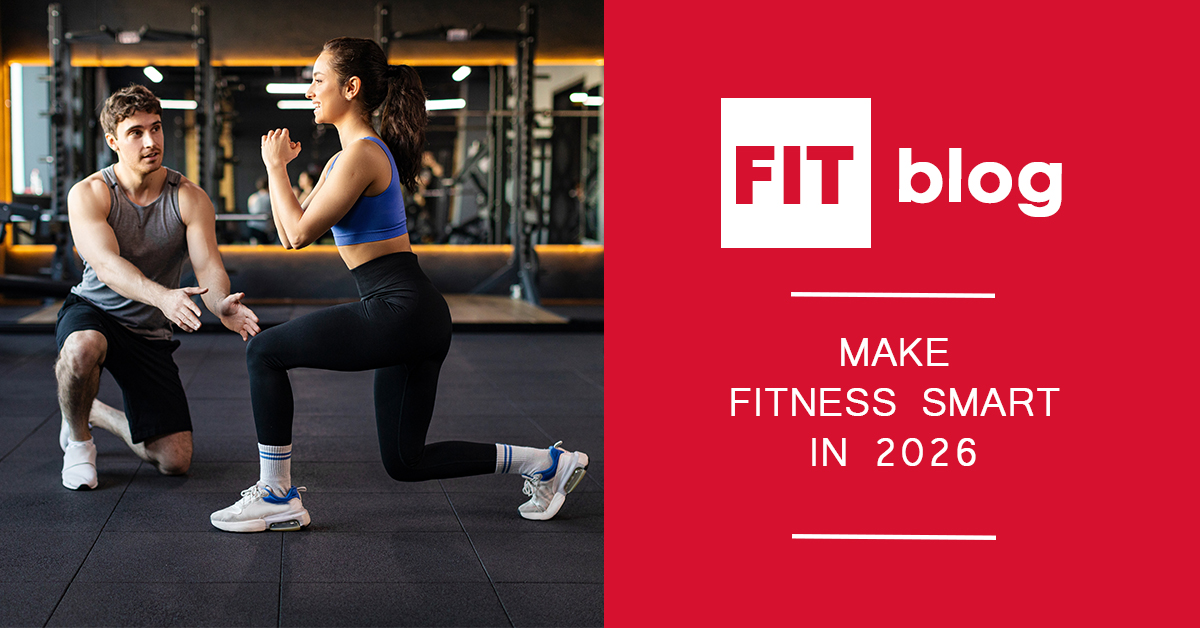
Your training goal may be as simple as “Run three times per week for four weeks” when you get started; however, when you really want to commit to a fitness goal, you should consider setting SMART goals. I covered SMART goals in the blog Make Fitness SMART in 2026, but as a quick recap:
SMART Goals are Specific, Measurable, Achievable, Relevant, and Time-bound goals to keep you on track with your training. SMART goals help you stay consistent, regulate expectations, and focus on continuous, progressive growth toward your ultimate fitness goal. Losing 10kg seems like a daunting task at first, but when you break it down with SMART goals, it becomes much more achievable and allows you to adjust your program to your needs.
Generally, all training programs should include a solid warm-up and cool-down, cardiovascular exercise and strength training. A few weeks ago, I launched a free training program to help absolute beginners get from absolutely zero running experience to running their first 5K in 70 days.
At Fitshop, we are dedicated to helping everyone achieve their fitness goals, whether you’re buying your first piece of exercise equipment or are a professional athlete. There is something for every budget, and our fitness experts are happy to advise and guide you to the perfect product for your needs, budget and experience. We have over 100 brands and thousands of pieces of equipment for you to choose from. Check out the full selection here, and we’ll see you next time for another training blog for beginners!