Ben Lombard on Injury, Recovery and How Important Cycling Is for Runners
Ben Lombard is a physical therapist based in London who spends most of his time helping people move better and feel more like themselves again. He’s also a runner, so he knows what it’s like when your body doesn’t quite keep up with your plans.
After dealing with an injury himself, Ben had to take a break from running and shift his focus to recovery. That’s when indoor cycling became a helpful part of the plan.
In this article, we sat down with Ben to talk about how physio and running came together in his life, what it’s like being the one in recovery, and how the bike helped support his return to running. He also shares what he sees most often in clinic, where runners tend to go wrong, and how to train in a way that keeps your body working well over the long haul.
“You get people back to doing what they love.”
Ben, first things first: what’s your story? How did running and physiotherapy come together for you?
I’ve been a physio for almost ten years, and I’ve been a runner since 2019, when I got into the New York Marathon through the ballot. I then had a long period of time off after doing some marathons and an ultramarathon in 2021. I took a break, and after my son was born in 2023, I got back into running and haven’t stopped since.
You’re not just treating athletes, you are one. How has being a runner shaped the way you treat your patients?
It’s definitely helped me understand more of the issues, and more about why people get injured. I now understand the demand running places on the body much more closely.
Why do you put so much emphasis on injury prevention?
Injury prevention is really important because it helps people do the thing they love for a longer time without getting hurt. It can also help improve performance by giving you stronger muscles and a stronger body, so you can perform at a higher level for longer.
What kind of injuries do you see most often? And are there any recurring patterns, especially in runners?
I treat a lot of lower back pain, but that’s because I don’t just treat runners. I treat people from all walks of life. In terms of running injuries, there are a lot of repetitive injuries like iliotibial band (ITB) syndrome, which is basically a load management issue. It usually happens because people have done too much too soon, or too much high-intensity work without being as strong as they could be. Other very common running injuries I see include Achilles tendinitis, proximal hamstring tendinopathy (PHT), jumper’s knee and patellofemoral pain (PFPS) syndrome.
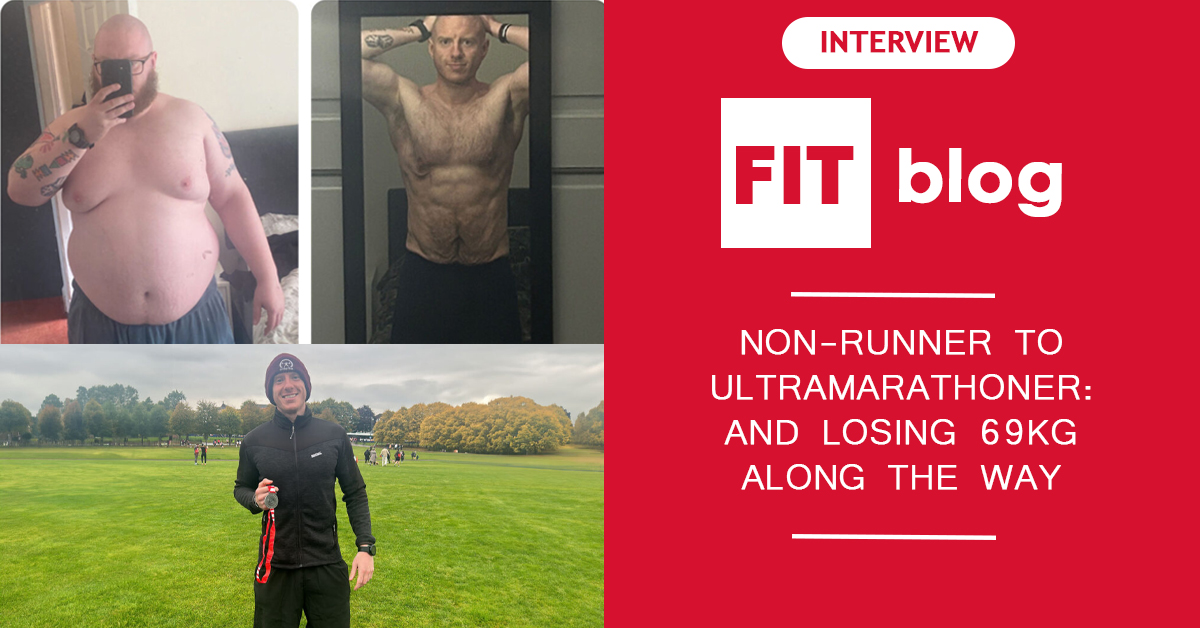
Seen this yet? Non-Runner to Ultramarathoner — and Losing 69 kg Along the Way
What’s your favourite part of being a physiotherapist?
Job satisfaction. You get to help someone with something and see it through from start to finish. Someone might come to you with an injury that stops them from running. You help them identify the problem, get over the problem, and get them back to doing what they love.
“Indoor cycling helped during recovery.”
You’ve recently been recovering from injury yourself. Can you tell us what happened?
Mine was definitely an overload issue, caused by a mismatch between the training intensity and the recovery I had. I run my own business, I was training hard, I’ve got a young family, and a one-year-old son, so you know, there was a lot of demand on my plate. I was training, but not recovering adequately, and ended up with an overuse injury in my hip.
Sorry to hear that. Are you feeling better now?
It’s okay. It’s better now.
What steps did you take to get your body back on track?
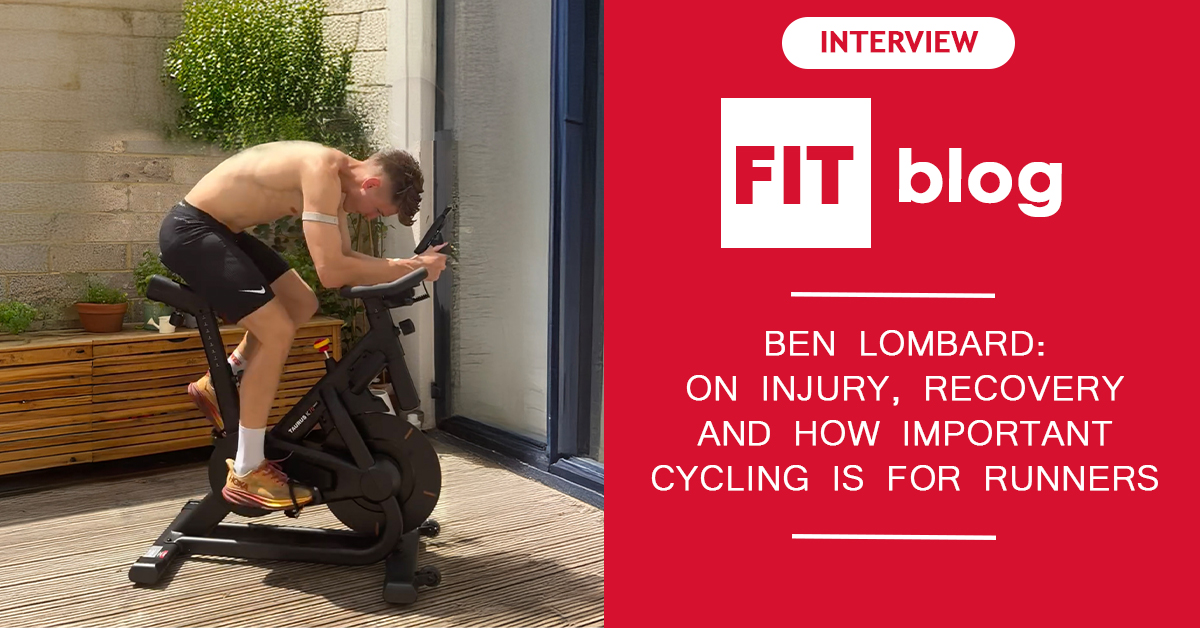
My recovery plan was to take away the impact from running. That’s why Fitshop and I decided to create some content around how important cycling is for runners, because there’s no impact. It’s a brilliant way of cross-training to maintain or improve your fitness.
I also needed to increase the strength in my legs, core and pelvis, which I’ve been doing regularly in the gym. Then I started gradually reintroducing running, increasing mileage and intensity to the point where I now have a pain-free hip. I can run again, but I still want to keep up the cross-training with the bike I’ve got [the Taurus IC70 Smart Indoor Bike].
So it turned out to be a solid piece of the recovery puzzle.
Oh, 100%. The bike was absolutely vital for my recovery. It allowed me to exercise, which helped not just my physical health but also my mental health. It also helped me maintain and improve my fitness, so when I got back to running, I didn’t have to start from scratch.
You might like this too: Ultimate Guide to Studio Cycling at Home
“Sleep is the most important element of recovery.”
What do you think a good training week looks like for someone who runs?
I think runners should aim to run somewhere between two and four times a week. You need to do at least one strength training session in the gym. And I think having one cross-training session each week is very useful. Also, you’ve got to make room for recovery. It’s just as important as everything else.
Also worth a read: The Marathon Checklist: Preparing to Go the Extra Mile
What’s the one bit of recovery advice you find yourself repeating all the time?
I’m a big advocate for having at least one rest day per week. I also think sleep is possibly the most important element of recovery. But fuelling is undoubtedly important too. Eating enough carbohydrates around your exercise to fuel and refuel, keeping a high protein intake to help your muscles recover, and making sure you’re getting enough fats to support hormone balance, which endurance exercise can hinder.
What’s the one recovery tip people still don’t take seriously enough?
Sleep, without a shadow of a doubt. People aren’t sleeping enough. I’d say aim for at least eight hours. I work early and have a son who doesn’t sleep through the night. Honestly, I think a big part of the reason I ended up injured was disrupted sleep.
Check out: Movement Matters Physiotherapy Clinic, Essex, Equipped by Fitshop
“With running, it’s generally very accessible.”
What’s the worst physio advice you’ve seen online?
The worst advice I often hear is that running is bad for your knees. That’s just not true. It’s not the running, it’s the way people do it, or the things they’re not doing, like strength training. Do your research. Also, don’t just run as fast and as far as you can all the time. Structure your training. Make sure you’ve got enough variety, increase mileage and intensity gradually, and allow for proper recovery between hard bouts of exercise.
Got any tips for getting to the gym when motivation is low or nerves kick in?
Yeah, motivation is hard. It comes and goes. I think social media can be a very good place to find people you authentically enjoy following. Of course, there are lots of people who make it seem impossible or make it seem too easy. With running, it’s generally very accessible. There are so many groups with different abilities, and lots of welcoming spaces. Do a little research into your local area. If you want a women-only group, there’ll be one. If you want something else, it’s out there.
“parkrun is a brilliant way to get moving in a supportive space.”
One of my favourite examples is parkrun. It’s free, weekly, and open to everyone. Every Saturday morning, thousands of parkruns take place across the UK and now globally. There’s always a tail walker at the back, so no one finishes last. You don’t even have to run the whole thing. It’s a brilliant, inclusive way to get moving in a supportive environment.
“Variety is key.”
What’s something that doesn’t get said enough about looking after your body, especially if you enjoy being active?
Variety is key. Training variety means doing different types of exercise, at different intensities, for different durations, and in different directions. If you just run, you’re doing the same motion over and over again. I think people should have a mix of different physical stimuli throughout the week or month to avoid overuse injuries, keep things interesting and break through plateaus.
Want to see more from Ben? Check out his website or catch him on Instagram, where he shares advice, thoughts and bits from his day-to-day.
Ben’s story is a reminder that setbacks don’t have to mean stopping. By shifting his focus, adding strength work and indoor cycling, and giving recovery the attention it deserves, he found a way to come back stronger. His tips around rest, variety and realistic training are golden for anyone who wants to keep their body moving well and feeling good.
A big thank you to Ben for taking the time to share your experience, insight and expert guidance with our readers.
If you’re after the kind of kit that can support your own goals, head to Fitshop online, pop into one of our stores, or have a chat with our friendly team.

Post Comment
You must be logged in to post a comment.