5 Exercises to Improve Your Back Health
As I bent down to pick up a toy for a cat named Mouse, I felt the electric whip of pain shoot down my back, causing a less-than-complimentary cry of pain. My initial thoughts were “I must be getting old” (I’m only 35), but excuses like this tend to make us complacent with our body’s condition and ignore very real issues. As we get older, musculoskeletal health becomes a greater concern, especially when our lifestyles and work environments involve prolonged periods of sedentary activity. That painful reminder I received while reaching for a cat toy gave me all the inspiration I needed to focus on my lower back training. Here are some exercises I found to be effective in strengthening the back and maintaining overall health and activity.
1. Barbell Deadlift
The classic! Barbell deadlifts are a staple amongst most gym-goers who want to train their back. The target muscle of the deadlift is the erector spinae (three muscles that run either side of your spine); however, deadlifts hit many more muscles, including the glutes, quads, and hamstrings that work in synergy with your back through the exercise.
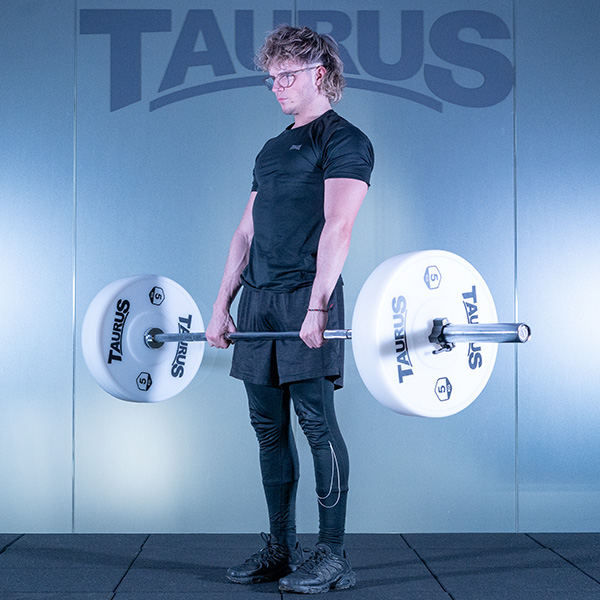
Preparation – Squat down to the bar, feet shoulder-width apart. Grip the bar with your preferred grip.
Execution – Lift the bar by extending your hips and knees to full extension, pulling the shoulders back at the top of the lift. At the top of the lift, squeeze your glutes and push your hips forward — careful not to over-extend. Lower the weight back to the starting position with control.
Focus points – Keep your arms and shoulders relaxed during this exercise; you’re not trying to lift with your shoulders or biceps. I also see many people hyperextending at the top of a deadlift. DO NOT DO THIS. At the top of the deadlift, you should not lean back. The lean you may see less knowledgeable lifters do is an over-exaggeration of the glute squeeze at the top of the rep. Exaggerated leaning back is bad form and can lead to injury.
Did you know that back pain is one of the UK’s biggest health concerns, with 23% of NHS patients stating that they had “Arthritis or problem(s) with [their] back or joints” (GPPS National Report 2025). It feels like we all know someone who complains about their back. Being more active significantly reduces the risk of back pain, which is particularly important for office workers who spend a significant amount of time sitting at a desk.
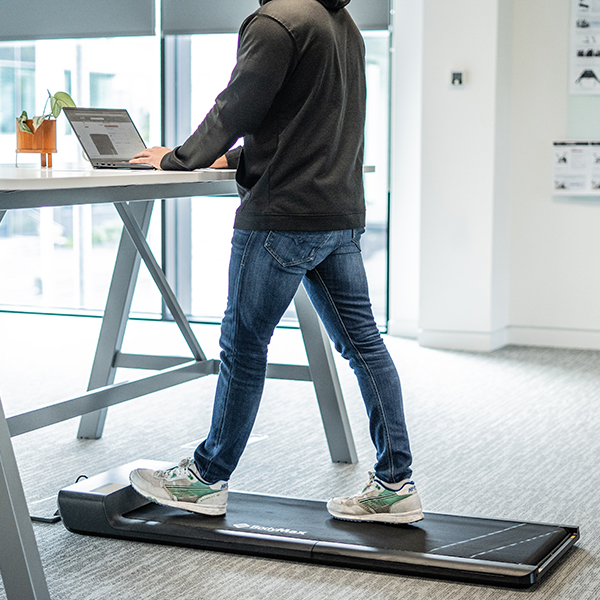
2. Walking
I know, I know, you wanted lots of strength exercises, but walking truly is good for your back health. This is especially true for office workers or anyone who works a sedentary job. We even have a walking treadmill in the Fitshop HQ to encourage us to keep active whilst we work. Taking a few minutes to walk away from your desk can make significant improvements to your back health.
3. Glute Bridges
Don’t let the name fool you; while the primary target of this exercise is the glutes, it requires you to maintain a firm back throughout, thereby building stability and strength in the lower back.
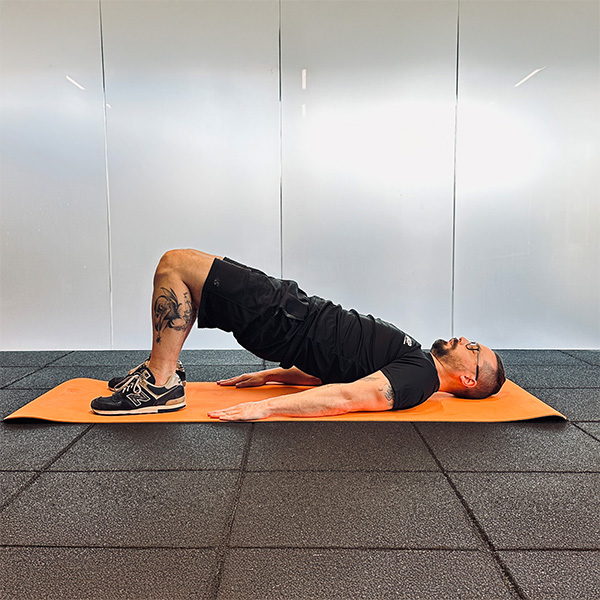
Preparation: Lie on your back on a comfortable mat with your knees bent and feet planted about shoulder-width apart.
Execution: Engage your glutes and hip flexors to raise your hips off the floor, maintaining a solid core throughout. Hold for about ten seconds, and return your bum to the floor and then repeat.
Focus Points: Avoid letting your hips sag during this exercise; focus on maintaining that solid core throughout. To increase the intensity of the exercise, you can straighten one leg at the top of the hold.
4. Barbell Good Mornings
We can forgive the strange name of this exercise for its incredible benefits. If you’ve never tried this exercise before, I recommend using a light weight with it until you get your form right. This exercise famously injured Bruce Lee after he didn’t warm up effectively and overloaded the barbell. This exercise’s primary target is the hamstrings; however, the erector spinae is an essential stabiliser during this exercise.
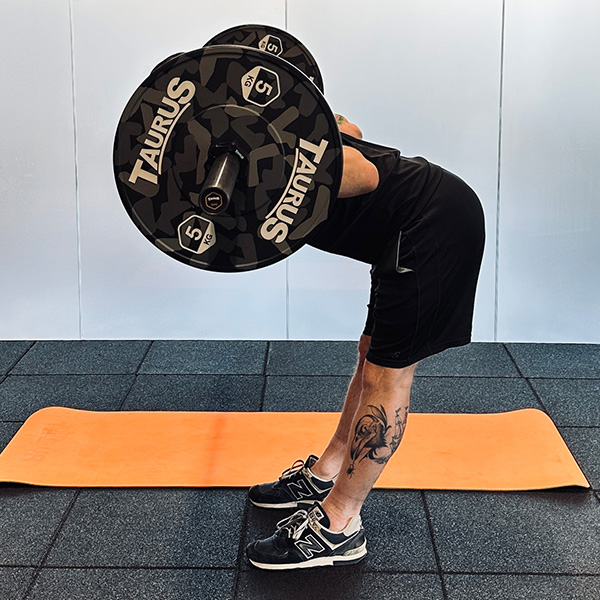
Preparation: Load a barbell with weight and secure it with clips. Mount the barbell on the back, as if doing a barbell squat, with the bar resting on the tops of the shoulder blades. Stand with feet about shoulder-width apart.
Execution: Keeping the legs straight, bend at the hip, and lower your torso towards the floor until parallel. Raise back up until standing straight.
Focus Points: It is crucial not to twist or lose your core engagement through this exercise to avoid injury. Similarly, do not lower your body past the point of parallel as it can cause the barbell to move toward your neck.
5. Kettlebell Swing
Another staple for gym-goers and a popular exercise in gym classes, the kettlebell swing is a fantastic exercise that targets the posterior chain (glutes, hamstrings, and back) and can be used for building strength or as cardio.
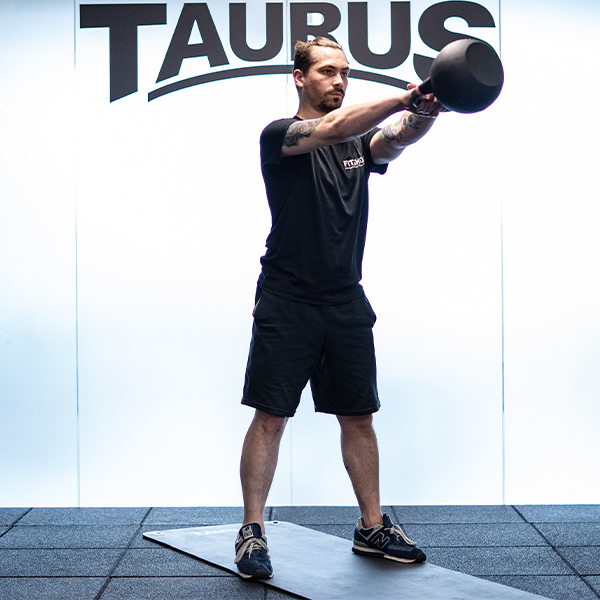
Preparation: Start with your legs slightly wider than shoulder-width apart, holding the kettlebell between your legs with both hands.
Execution: Build momentum by driving your hips forward with your torso upright, keeping your knees straight. As the kettlebell approaches the lower position, push your hips back (similar to a squat) and bend your knees. Your forearms should just graze your inner thigh as the kettlebell passes under the hips. Repeat this motion by driving forward with the hips.
Focus Points: At the top of the swing, the kettlebell should not pass your eyeline; aim for your arms to be straight out in front of you (as shown in the image). It is essential to maintain a solid core and posture throughout the exercise to prevent injury. While you engage your shoulders to keep the kettlebell’s momentum and stability, you shouldn’t be “lifting” with your shoulders; instead, focus on your hip drive to get the most from this exercise.
These exercises are great for maintaining your back health, but, as always, consult a doctor before engaging in physical activity. This is essential if you have not trained in a while to prevent injury. Above all, ensure you have good form, and if in doubt, ask a personal trainer to guide you through the movements at your gym.
At Fitshop, we’re committed to offering expert advice from Europe’s largest fitness retailer, showcasing amazing products from some of the industry’s biggest brands. If you enjoyed this blog, please leave a comment, like, or share it with your friends and let us know how you found the exercises.

Post Comment
You must be logged in to post a comment.