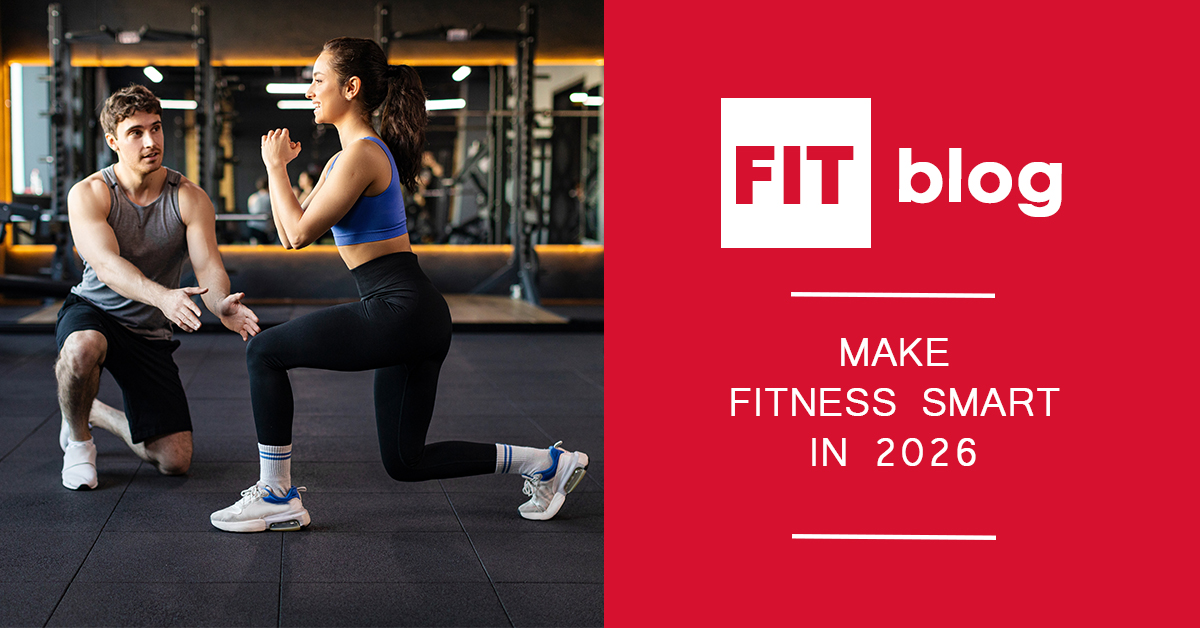
Make Fitness SMART in 2026
It’s the season of resolutions, and people across the world are getting into fitness to drop some body fat, run 5km, or learning how to lift weights. Whatever your fitness goals this year, Fitshop is here with fitness experts to help you get started, stay on track, and provide professional advice from qualified personal trainers. BUT what are just as well-known as New Year’s Resolutions? Not keeping them! Yes, New Year’s Resolutions are seen as silly, “impossible to keep”, or doomed to fail! But, do they have to be? I’m here to tell you that it is possible to keep those resolutions with some personal trainer secrets to fitness success. Shhh, don’t tell anyone!
What’s the Secret to Fitness Success?
Let’s frontload this blog and put the best advice at the top before we get into the specifics. The secret to succeeding in your fitness goals is CONSISTENCY. Personal trainers across the world will tell you the same thing: keeping consistent in your training will yield the best results. Yes, of course, a healthy diet is essential to hitting those goals, but even that needs to be consistent.
So, how do you become consistent with your training?
Personal trainers have used SMART Goal Setting for decades. SMART stands for Specific, Measurable, Achievable, Relevant, and Time-bound.
Let’s break down SMART goals and how they can help you stay consistent, stay on track, and hit your training goals!
Specific
Being specific is essential to goal setting. What do you want to achieve? Do you want to run 5km? Lose 5kg? Add 10kg to your bench press? Whatever your goal, be SPECIFIC. Simply saying, “I want to lose weight” or “I want to get stronger”, whilst true, is too general. When we set a specific goal, we define the range of what we hope to achieve, leaving little room for interpretation.
Instead of “I want to lose weight”, say “I want to lose 5 kg in 8 weeks.”
Do you see the difference? One is vague and feels throwaway; when we are specific, it gives us something to aim for.
Measurable
By making your goal measurable, you quantify it, which makes it appear achievable (as long as you’re being realistic). So, whether you’re aiming for 10 push-ups or a 5km run, make sure you can break down how you’ll get there.
In our example above, “I want to lose 5 kg in 8 weeks,” we can measure this at 0.6 kg per week, and you can track it with a scale weekly. When we break down our goals like this, it leads us to our following letter, Achievable.
Achievable
Perhaps the most important in this acronym is “Achievable”. It’s about being realistic about where we are in our fitness journeys right now, and where we want to be. If you’ve never run 3 km in your life, setting a goal to run a marathon in 4 weeks is not very achievable. However, if we set an attainable goal, like running 5 km in 6 weeks, we can break it down into realistic steps. By setting achievable steps toward our end goal, we win more often, keeping us engaged and motivated and helping us see the progress we make as we achieve milestones.
In my experience as a trainer, another important thing to consider is being strict with your plan. If you stray from the plan, you risk injury, overtraining and loss of focus on the program’s consistency. When we start hitting achievable goals, it is natural to get excited and feel good about it; however, it is best to temper this excitement by remaining strict to the plan!
Relevant
A goal’s relevance should align with your life, health, and fitness needs. Look at the specifics of your training goals and ask yourself, “Why are you doing this?” Dropping a dress size, for example, is less relevant than feeling better about your body. Seeing a lower number on the scales is less critical than reducing fat.
Similarly, you don’t have to become an athlete! If you’re a parent with a full-time job and an active social life, simply making healthier choices and being more physically active will make a world of difference toward your goals than setting standards that are not relevant to your lifestyle or health.
Time-Bound
Setting yourself a time frame stops procrastination. Without a time frame, it is easy to put off training until tomorrow, the weekend, next week, or next month, or to start again next month. Sound familiar? We’ve all been there. By committing to a time frame, we are the masters of our own destiny, and if we are consistent and SMART, we will achieve progress. Even if you set a goal of losing 5 kg in 8 weeks and only reach 4 kg, that is still progress, and you will hopefully be inspired to put another plan in place and try again, adjusting to the new base you have achieved!
Examples
Here are some great examples of SMART goals I have set with my clients. Feel free to steal them and adjust them for your own goals!
“I want to run a 5 km in under 30 minutes in 3 months by training 3 days per week.”
A great goal to have. Three months gives us twelve weeks, and thus thirty-six sessions to achieve our goals.
“I want to increase my deadlift by 10kg in 10 weeks, training three times per week.”
Another sensible goal that is achievable within the time frame, especially when we consider that holistic training will likely be part of this plan outside of the specific exercise.
“I want to drop 5 kg in 10 weeks by training three times per week and maintaining a 2000/2500 kcal diet per day.”
Weight loss is a sensitive topic, and one fraught with misinterpretation. Generally speaking, when people say “weight loss,” they are wishing for a reduction in body fat. A loss of weight often represents this; however, it should be remembered that 1 kg of muscle is much smaller than 1 kg of fat. As we build muscle, our bodies demand more calories and become more efficient at burning fat stores.
We hope this guide helps get your 2026 off to a great start. For more expert advice, stay tuned to Fitshop’s Fit Blog and check out our store for some of the biggest fitness brands at the best prices.



Post Comment
You must be logged in to post a comment.